The AI Revolution in Smartphones: Transforming User Experience
In today's fast-paced world, smartphones have become indispensable tools,
seamlessly integrating into our daily lives. With advancements in
technology, manufacturers are constantly striving to enhance user
experience. One of the most significant developments in recent years has
been the integration of artificial intelligence (AI) into smartphones. This transformative technology is reshaping how we
interact with our devices, offering personalized experiences and improved
efficiency. In this article, we explore how phone manufacturers are
harnessing the power of AI to revolutionize the smartphone landscape.
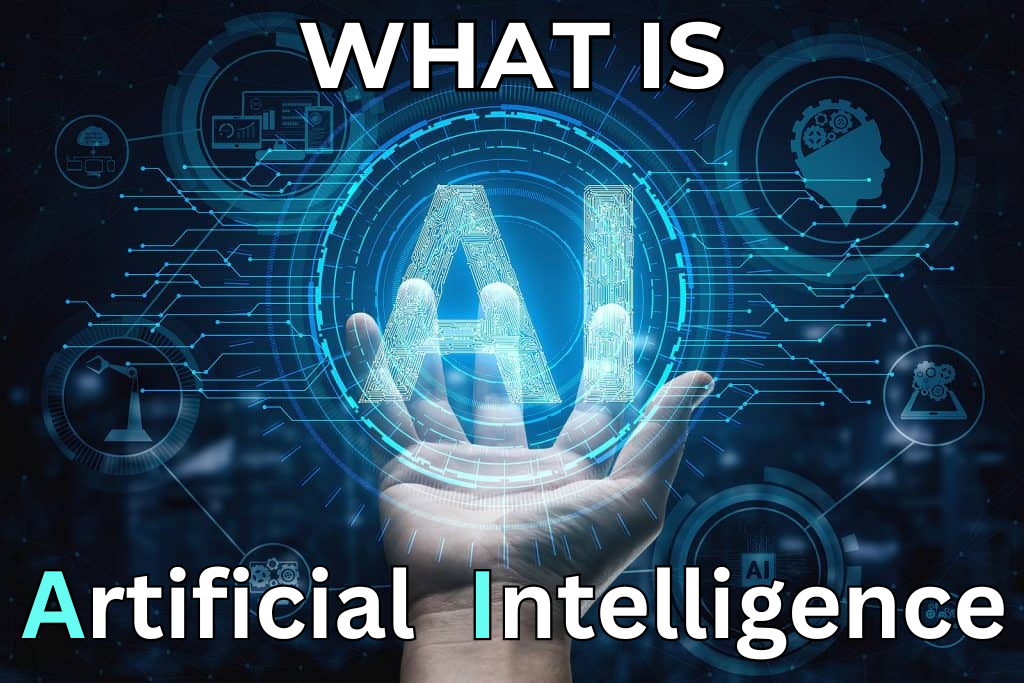
Understanding Artificial Intelligence: Artificial intelligence (AI) is a branch of computer science that aims to create intelligent machines capable of simulating human-like cognitive functions. These functions include learning from data, reasoning, problem-solving, perception, and language understanding. AI algorithms enable machines to analyze vast amounts of data, recognize patterns, and make decisions or predictions based on the available information. In the context of smartphones, AI enhances device capabilities by enabling them to understand user behavior, adapt to preferences, and perform tasks more efficiently.
-
Personalized User Experience:
AI algorithms analyze user behavior, preferences, and patterns to provide personalized recommendations and suggestions. Whether it's predicting the next app you'll open, offering tailored content, or optimizing device settings based on usage patterns, AI enables smartphones to adapt to individual users' needs. Companies like Apple, Samsung, and Google have implemented AI-driven features such as Siri, Bixby, and Google Assistant, respectively, to enhance user interactions and streamline tasks.
-
Enhanced Camera Capabilities:
The integration of AI into smartphone cameras has revolutionized mobile photography. AI-powered features such as scene recognition, portrait mode, and night mode optimize camera settings in real-time to capture stunning photos in various conditions. Manufacturers like Huawei and Xiaomi have leveraged AI to improve image processing, enabling users to take professional-quality photos with their smartphones. From adjusting exposure and white balance to enhancing details and reducing noise, AI algorithms elevate the photography experience to new heights.
-
Intelligent Performance Optimization:
AI plays a crucial role in optimizing smartphone performance and battery life. By analyzing usage patterns and resource demands, AI algorithms can dynamically allocate resources, prioritize tasks, and optimize power consumption. This results in smoother multitasking, faster app launches, and extended battery life. Qualcomm's AI Engine, for example, enhances performance efficiency in Snapdragon-powered devices, delivering a responsive and energy-efficient user experience.


-
Advanced Security and Privacy:
With the proliferation of sensitive data stored on smartphones, ensuring security and privacy is paramount. AI-powered security features such as facial recognition, fingerprint authentication, and behavioral biometrics provide robust protection against unauthorized access. Additionally, AI-driven privacy controls enable users to manage permissions, block unwanted tracking, and safeguard their personal information. Manufacturers like Apple with Face ID and Google with Titan M security chip have integrated AI-driven security measures to safeguard user data and privacy.
-
Seamless Connectivity and Communication:
AI-powered communication features enhance connectivity and streamline interactions on smartphones. Natural language processing (NLP) algorithms enable virtual assistants to understand and respond to user queries more accurately, facilitating hands-free communication. Moreover, AI-driven language translation and transcription services break down language barriers, enabling users to communicate effectively across diverse linguistic backgrounds. Companies like Microsoft with Cortana and Amazon with Alexa are leveraging AI to enhance communication experiences on smartphones.


Conclusion: The integration of AI into smartphones represents a paradigm
shift in mobile technology, unlocking new possibilities and redefining user
experiences. By harnessing the power of AI, phone manufacturers are
delivering personalized, intelligent, and secure devices that adapt to
users' needs and preferences. As AI continues to evolve, we can expect
further innovations that will shape the future of smartphones, making them
indispensable companions in our increasingly connected world.
What's Your Vision for the Future
As we wrap up this exploration of AI in smartphones, I'm curious to
hear your thoughts. What do you imagine the future holds for
smartphones with AI integration?
- Advanced Virtual Asistant: Will virtual assistants evolve into even more intelligent companions, capable of proactive assistance and engaging conversations?
- AR Experience: How might AI-driven augmented reality change the way we interact with our smartphones and the world around us?

Comments
Post a Comment